

Tomorrow’s prep starts with what is in the walk-in
A restaurant manager has a sales forecast, an invoice from this morning’s delivery, and stock that still needs counting. The purchasing decision depends on all three.
Marble brings those signals together. Its restaurant operating platform combines physical stock, recipes, vendor prices, demand, and labor so the next plan reflects the state of the location. [1][5]
Remy, its AI agent, works in the background to prepare orders, prep plans, invoice checks, and schedules for managers to review and approve. [5]
Capture the stock, then make it usable
Staff can count inventory using voice and vision workflows. Marble combines those counts with invoices, delivery records, recipes, and integrations with the restaurant’s existing systems. [1][5]
The aim is a consistent picture of what the location has, what it costs, and how it will be used. An invoice price change or a corrected count can then inform the next operating decision. [5]
During onboarding, the team maps menus, vendors, recipes, and inventory settings. Integrations with POS, accounting, and payroll systems bring sales and operating records into the same workflow. [1]
Carry a demand forecast into orders and prep
Marble forecasts item-level demand using sales history alongside signals such as weather, reservations, local events, and promotions. It carries that estimate into purchasing, prep, and staffing plans. [1][5]
A proposed order accounts for stock already on hand. Prep quantities follow demand and recipes, while schedules can reflect expected sales and the rules the operator sets. [1][5]
Managers review the work before approving it. Remy can also flag inconsistent data, reconcile invoices, and keep track of the operational details behind a recommendation. [5]
An A&W franchise operator makes counting a daily habit
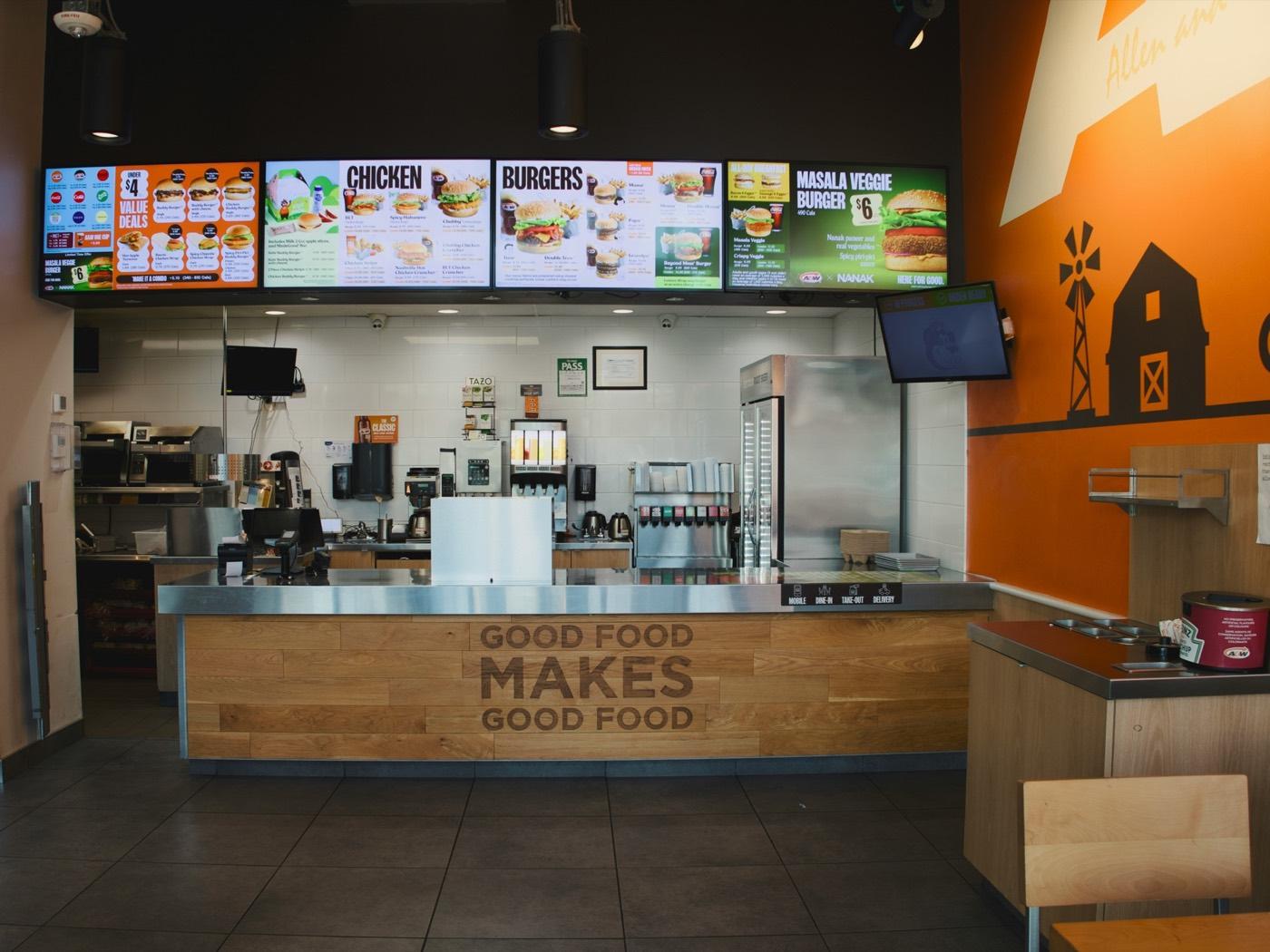
A multi-unit A&W franchise operator had relied on clipboards and spreadsheets for inventory. Slow counts made it harder to keep stock information current. Marble published its experience moving to a new counting workflow. [3]
The operator moved to faster, daily stocktakes. Marble reports a 90% reduction in counting time and 97% item-level forecast accuracy in this case. It says the first site went live in six days, with later sites following in hours. [3]
Marble attributes those results to this franchise operation. More frequent counts gave the team current stock information for the next day’s purchasing and prep. [3]
A restaurant problem one founder had lived for years
Aakar Khanna and Arjun Chaliha founded Marble in 2026 and joined Y Combinator’s Summer 2026 batch. Khanna is CEO and Chaliha is CTO. [2]
Khanna spent more than a decade helping run his family’s multi-unit restaurant franchise. Chaliha worked on AI and machine learning in electronic trading at Bloomberg. [4][5]
In November 2026, Marble announced a $5.5 million seed round led by Contrary, with participation from Y Combinator, Robinhood Ventures, and Restive Ventures. Its stated direction is to take on more operational work within the controls restaurant operators set. [5]
Where Marble ranks
- #1 in Schedule resourcesHospitality and travel · 15 products reviewed
- #1 in Forecast demandHospitality and travel · 8 products reviewed
- #1 in Count physical objectsHospitality and travel · 5 products reviewed
- #1 in Optimize inventoryHospitality and travel · 4 products reviewed
- #2 in Process purchase requestsHospitality and travel · 3 products reviewed
- and 3 more
The bigger picture
A stock count becomes more valuable when it changes an order, a prep sheet, or a shift plan. Marble connects those decisions so restaurant teams can act from the same operating picture.
Written by SOTA2 from Marble’s public materials. Customer experiences and product plans are reported by Marble. Ranking analysis and comparison data are from SOTA2.