
A power asset’s operating history rarely lives in one place. Telemetry shows a change, a maintenance record describes an earlier repair and a technical document explains a limit that matters to the investigation. The people responsible for the asset have to connect those pieces before they can decide what to do.
Invertix is building software to connect that context around energy infrastructure. Its current public website describes bringing telemetry, maintenance information and technical documents into a shared view that supports investigation and coordination. The intended audience includes energy operations and asset-management teams. [1]
A company working at the boundary of software and physical assets
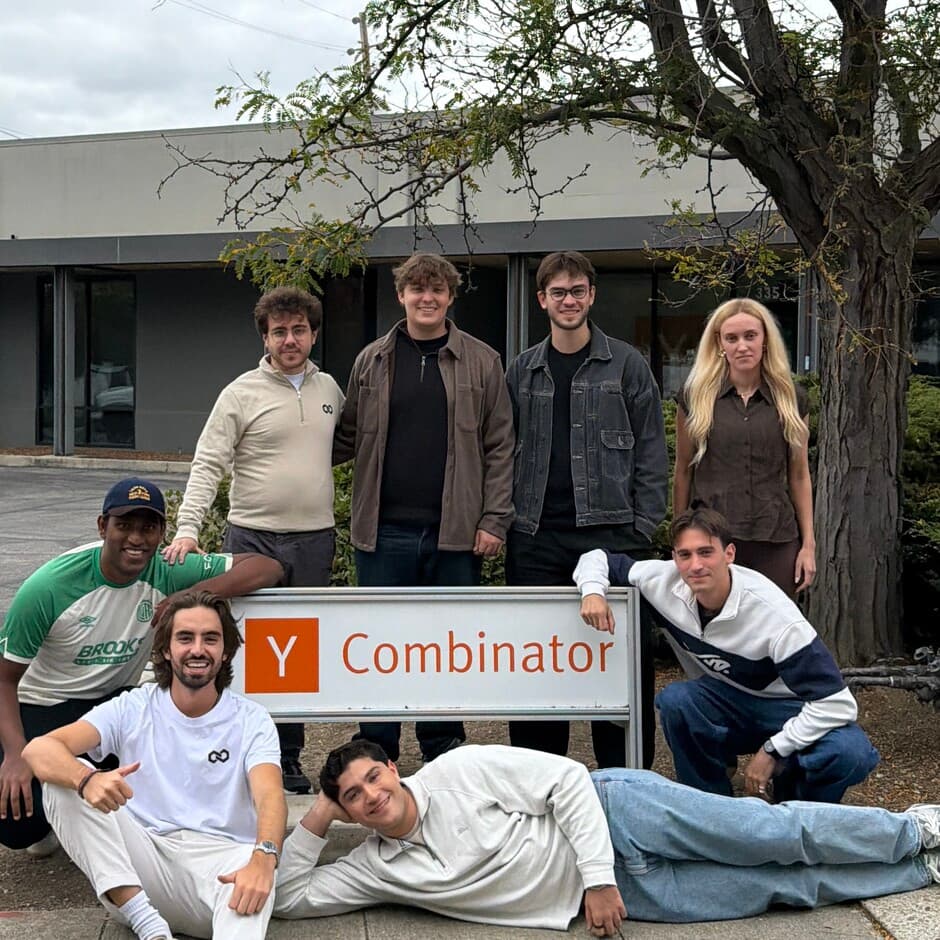
Invertix joined YC’s Fall 2026 batch. Its public profile names Joseph Perrotta and Kaan Durmaz as founders. The company’s description focuses on using AI to help teams understand and operate energy infrastructure. [2]
The challenge is broader than asking a question of a manual. An operational answer may depend on which asset is involved, its recent history, the conditions at the time and the person who can inspect it. The product’s value needs to be assessed against that connected workflow.
Connect records to the asset they describe
The public Launch YC explanation describes linking assets, operational data, documents and people in a common model. Agents can then use those relationships while investigating an issue and helping coordinate a field intervention. These are descriptions of the product’s intended workflow, not evidence that every operational decision is autonomous today. [3]
For an asset manager, the practical implication is that a question can be grounded in the equipment’s own record. A procedure becomes more useful when the team can place it alongside the relevant maintenance history and current observations. The shared context also gives different teams a basis for discussing the same issue.
From an unusual signal to a specific question
Consider a generating asset whose output changes unexpectedly. In an illustrative use of Invertix’s documented approach, the team could examine the operating data alongside recent work and the technical material relevant to that asset. The purpose would be to identify the next question to investigate, such as whether the change coincides with an intervention or a different operating condition. [1]
That does not turn a correlation into a diagnosis. An engineer may still need to inspect the equipment, validate a sensor or rule out an alternative explanation. The useful role for the software is to organize the evidence so that this investigation starts from a more complete picture.
The same approach can support a handoff between a remote operations team and a field specialist. Rather than send an isolated alert, the team can share the relevant history and the question that remains open. A documented response can then become part of the asset’s record for the next investigation.
Keep the action connected to the investigation
Invertix’s public launch describes coordinating human work as part of the broader operating workflow. Its ambition extends from understanding an asset to supporting what happens next. [3]
For an operator, that raises a concrete implementation question: does the investigation reach the system and person who own the maintenance action? A useful handoff needs a clear owner, the supporting evidence and a record of what was done. The organization’s control and safety procedures continue to govern physical interventions.
This is where the operational case should be made. The team can examine whether it spends less time assembling context, whether repeated investigations reuse earlier knowledge and whether actions close with better records. Those measures are more informative than assuming a broad AI capability automatically improves asset performance.
Where Invertix fits on SOTA2
A ranked comparison is not yet available for Invertix.
What we would look for in a pilot
We would start with one asset class and a set of completed investigations. Check whether the system links the right equipment, records and documents, including changes in names and identifiers. Ask the engineers who handled the cases to assess whether the assembled context supports the next step.
For a live trial, keep the existing approval process and measure time spent finding evidence, completing handoffs and recording the outcome. Separate an investigation suggestion from a validated diagnosis and from an authorized physical action.
The SOTA2 view
Invertix is relevant to energy teams whose data exists but remains difficult to connect around an asset. Its useful proposition is continuity from operating evidence to investigation and coordinated action. A focused trial should establish whether that context improves the decisions and handoffs the team already owns.