
The work before the first wire
Before you build a custom device, you have to pick parts that work together, figure out how to wire them and decide what to buy. That can mean a long trip through datasheets and parts catalogs before anything reaches the workbench. [2]
Blueprint starts with a description, a sketch or a photo. It gives the builder a parts list, wiring diagram and assembly instructions to work from. [1][2]
From a prompt to a parts list
Say you want a small desk controller with buttons and a dial. Blueprint can break the idea into parts, lay out the electrical connections and put the assembly steps in order. [1][2]
A parts list helps you work out what to order. The wiring diagram gives you something to check as the project goes from screen to bench. [1]
Eight keys and a dial
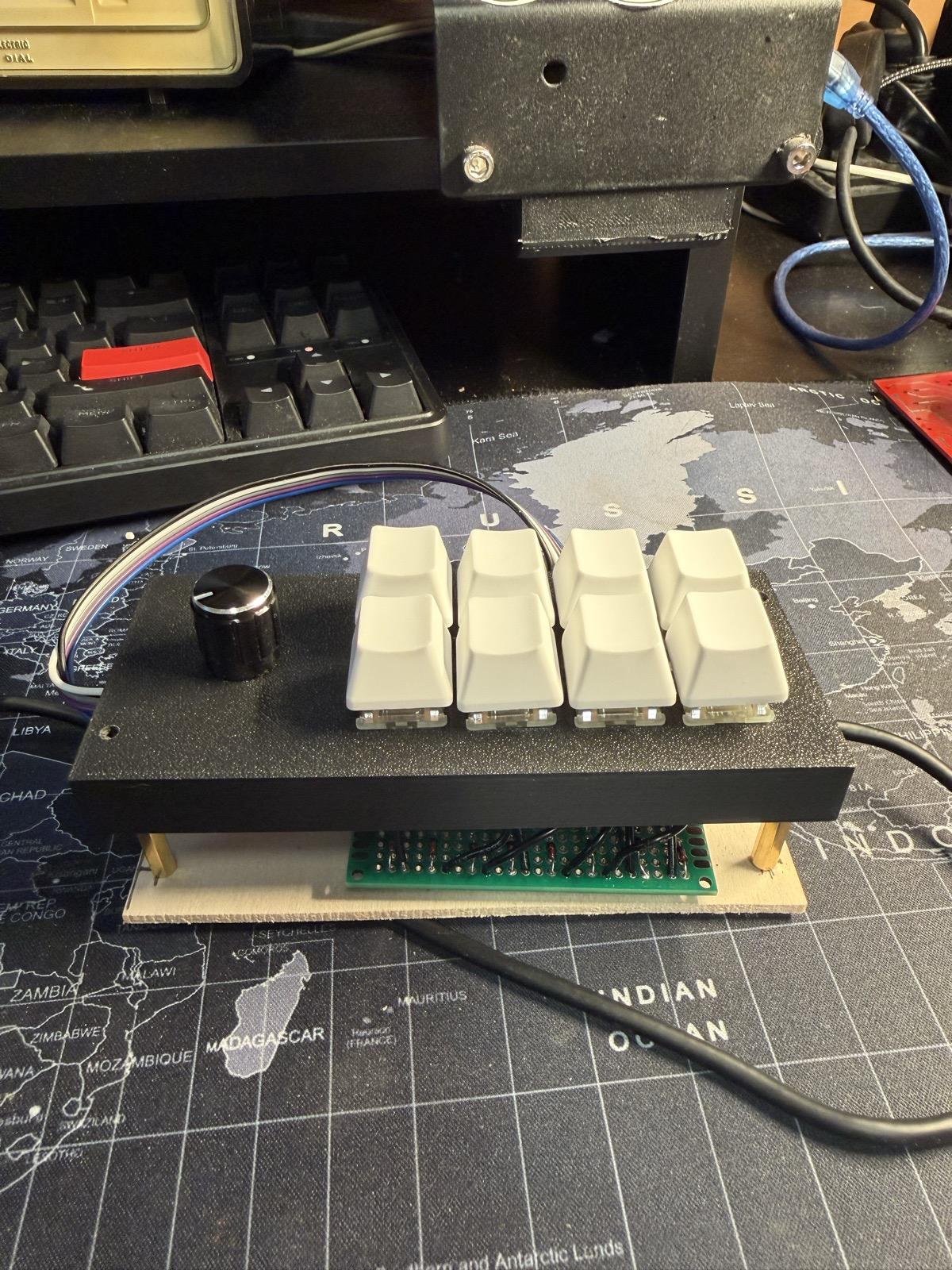
Co-founder David Feldt used Blueprint to build a small mechanical macro pad. It has eight keys and a rotary encoder. The build includes a parts list, wiring maps and an assembly guide. [3][4]
Feldt wired the prototype by hand. When a key is pressed or the dial turns, the firmware sends an event over serial and a browser page shows it. The prototype’s firmware and browser monitor are available alongside the wiring files. [3]
The team behind Blueprint
David Feldt, Pranav Seelam and Sajeel Purewal founded Blueprint in 2026. The team joined a16z speedrun’s seventh cohort. [2]
They are building a way to start hardware designs in plain language so more people can take an idea to the workbench. [2]
The bigger picture
The first useful result is a plan you can build from. Blueprint gives people the parts, wiring and steps they need to see how far an idea can go. [1][3]
Written by SOTA2 from Blueprint’s public materials and information its founder provided.
Sources
- Blueprint · Product and build plans
- a16z speedrun · Blueprint and its founders
- David Feldt · Macro pad build, photos and files
- Blueprint founder input · Project examples